~/nettleslate $ ls --services

Pick The Part Of The Garden You Can Already Smell.

Everything Nettle & Slate makes starts with the same two-hour Site Read — soil probe in the clay, pencil on a clipboard, the afternoon glare mapped where it actually lands. From there you choose how far to go: a drawing, a planting, a whole slate build. Every service below is priced per project, no hourly meter running.

Belle Meade, Sylvan Park, East Nashville and 12South homeowners come to us for the same thing — one small studio that draws the plan and then shows up to dig it. The Read fee is credited straight back toward whatever you build.

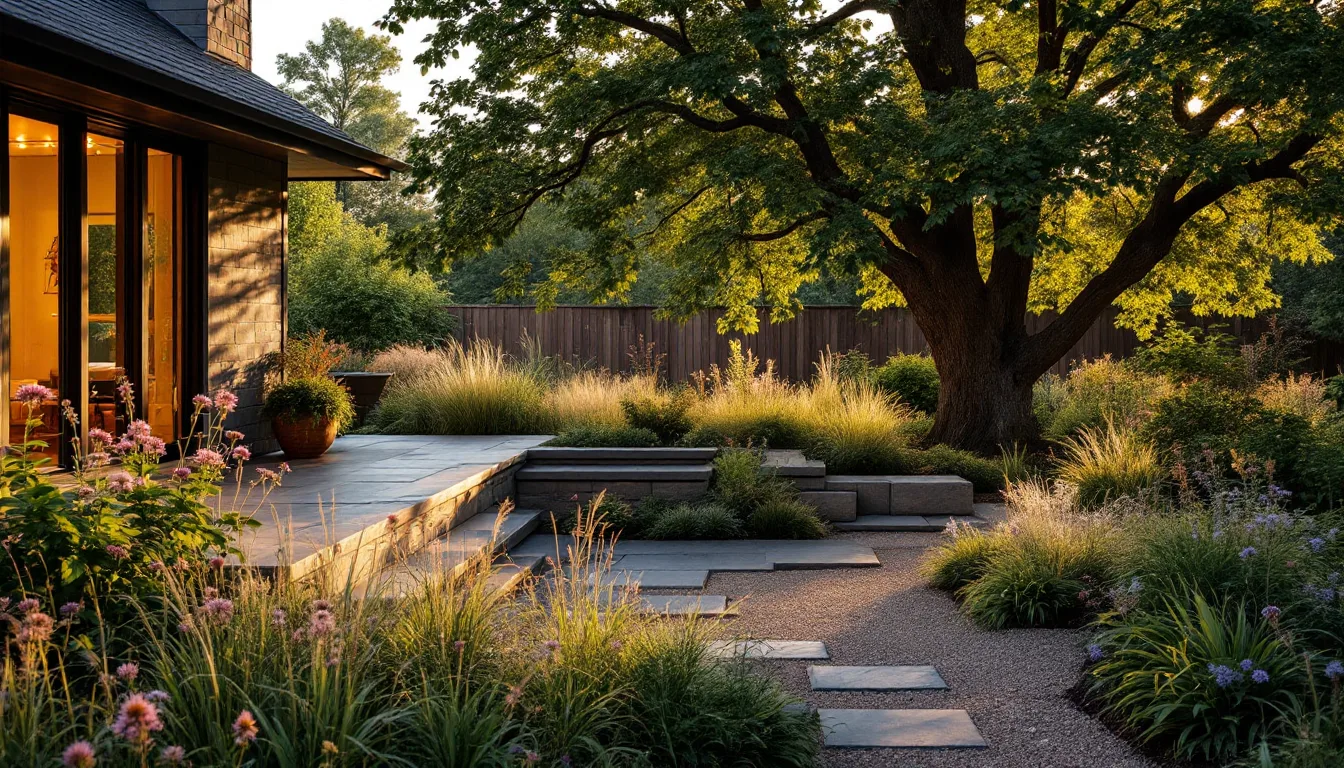
Finished slate terrace framed by native perennial drifts in warm evening light

// The full list

Six Ways We Put Hands In Your Ground

Take one line item or the whole run. Design fees stand on their own; build numbers arrive as a written estimate before a single pallet of slate is ordered.

01 — site_read

The Site Read

Two hours on your lot with a soil probe and a sketchpad. We taste the drainage, trace the sun path across the day, name the trouble spots out loud, and leave with your wish list in pencil. Every project begins here, and the fee comes off your plan.

Book a Read
$650credited toward your plan
02 — site_plan

The Measured Site Plan

A scaled drawing you can hold up against the yard — beds, paths, patio footprint, sightlines from the kitchen window, and where the water goes after a July downpour. Includes two rounds of revisions and a table-side walkthrough with material samples.

Start a plan
From $3,800full plan + two revisions
03 — planting_scheme

The Native Planting Scheme

A season-by-season list of plants that belong in Middle Tennessee clay — coneflower, aromatic aster, oakleaf hydrangea, sedges for the wet corner — laid out in drifts that read from the porch and feed the swallowtails. We source from regional growers and set every plant ourselves.

Plant with us
From $2,400scheme + install · plants at cost
04 — hardscape_build

Slate & Stone Hardscape

Cleft slate terraces, dry-stack walls, gravel courtyards, and the quiet grading that keeps water off your foundation. We run the crew, the permits, and the deliveries, and we walk the site with you at every course so nothing gets buried you can’t live with.

Talk through a build
12% of buildmanagement · from $4,500
05 — drainage

Drainage & Regrade

For the lot that pools at the back door and runs a river down the drive. We cut swales, plant rain gardens that drink the runoff, and re-shape the grade so the storm finds the low ground on purpose. Often the first thing we tackle before anything pretty goes in.

Fix the water
From $2,900swales & rain gardens
06 — tending

Seasonal Garden Tending

For gardens we’ve built and want to see hold. A visit each season to cut back, divide, mulch, and coax the young meadow through its first hard summers — the part where a native planting quietly turns from patchy to full. No mow-and-blow, just the finicky care that keeps roots deep.

Keep it thriving
$340per visit · $1,150 the season

// On every invoice

What Comes With Every Number Above

No matter which line you choose, the same rhythm holds — the people who draw it are the people who dig it, and you see the shape of the thing before it’s permanent.

a.

The same two hands

Rae draws, Miller builds. From the first soil probe to the last slate course, you’re not handed off to a subcontractor you’ve never met. Two people, your whole garden.

b.

A dated calendar

Not a vague “sometime in spring.” You get real start and finish dates you can watch progress against, and a call if the weather moves them.

c.

A written estimate first

Every build number arrives in writing — materials, labor, management — before we order a pallet. What you sign is what you pay, barring changes you ask for.

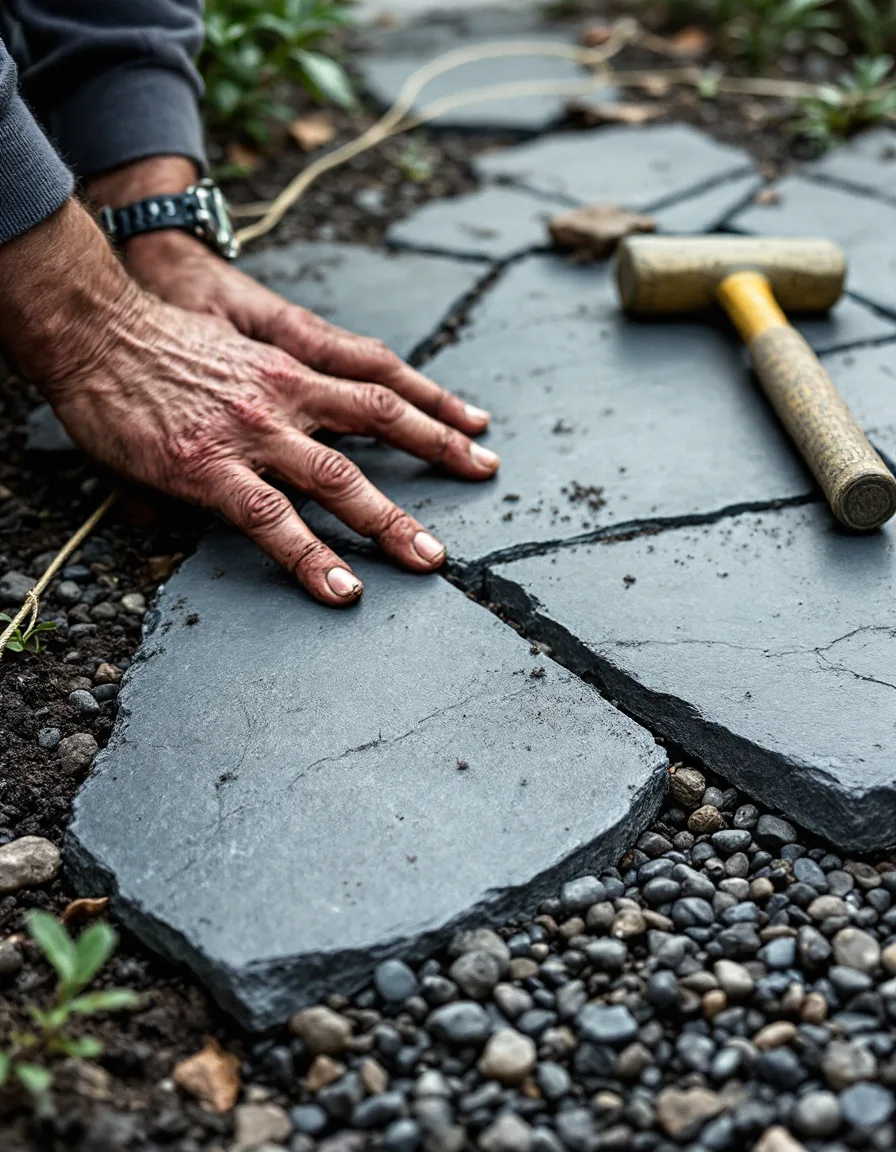
Hands setting a cleft slate paver true into a gravel bed

// The stuff itself

We Only Build With What Ages Well Here

Every material has to survive a Nashville August and still look right in year ten. That rules a lot out. Here’s what earns a place in our gardens.

  • Cleft, not sawn slate

    A split face holds grip when it’s wet and reads as stone, not tile. Set true, course by course, on a compacted base that won’t heave.

  • Regional native plants

    Grown within a few counties, so they hit the ground already used to our clay and heat — less water, no chemical babysitting, and the goldfinches follow.

  • Dry-stack stone walls

    No mortar to crack. Gravity and a good hand do the work, and the wall breathes so water moves through instead of pushing it over.

  • Honest gravel & grade

    The unglamorous half — the pitch and the drainage nobody sees. Get it right and the pretty part lasts. Get it wrong and it all slumps by spring.

// When to start what

A Garden Has A Clock — Here’s Ours

Timing changes what a season is good for. Call any time of year; we’ll slot your project where the weather and the roots actually want it.

Drawing season
Jan – Feb

Dormant & deliberate

The best months to draw. Beds are bare, bones are visible, and dry-stack stonework goes in without trampling anything green. Book now for a spring install.

Planting window
Mar – May

Everything wakes up

Cool soil, steady rain, long light. Perennials and shrubs go in with a full season to root before the heat lands. The busiest stretch on our calendar.

Build season
Jun – Aug

Slate, grade & drainage

Too hot to plant well, perfect to build. Terraces, walls, swales and regrades get done while the ground is dry and firm underfoot.

The sweet spot
Sep – Nov

Meadows & second plantings

Our quiet favorite — warm soil, cooling air, and roots that dig in all winter. The ideal time to sow a meadow or fill in a native border.

Let’s Walk Your Yard While The Light Is Good.

Book the $650 Site Read and we’ll bring the soil probe, the slate samples, and the pencils. You bring the coffee — and the fee comes off whatever you decide to build.

Call Book a Site Read